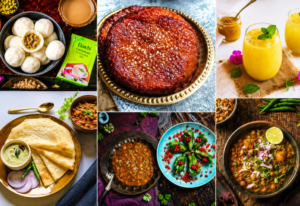
Mountain Produce, Slow Cooking, and Community Feasts
Himachali cuisine reflects its cool climate, forest produce, and celebratory traditions like the dham feast that anchors social gatherings.
How Geography Shapes Food
| Zone | Climate | Food Influence |
| Mid and Upper Hills | Cold, seasonal farming | Rajma, red rice, lentils, fermented foods |
| Lower Valleys | Milder, more fertile | Wheat, vegetables, fruits |
Preservation techniques evolved due to long winters.
History of Himachali Cuisine
EraCulinary InfluenceLocal Hill KingdomsRajma, red rice staplesTibetan Influence in High AreasFermented dairy, barleyRoyal Temples and FeastsDham tradition
Core Ingredients and Why They Matter
| Ingredient | Purpose |
| Rajma, red rice | Sustenance in cold |
| Curd-based gravies | Digestion and warmth |
| Ghee | Energy in winter |
| Local lentils | Protein from limited agriculture |
Signature Dishes with Cultural Stories
Dham, a temple-style feast cooked by hereditary chefs called bots
Siddu, fermented wheat bread steamed for warmth and digestion
Chha Gosht, curd-based meat with local spices
Madra, slow-cooked yoghurt-lentil curry from Chamba region
Babru, Himachali stuffed bread
Festival & Ritual Foods
| Festival | Special Dish |
| Dussehra | Dham feasts |
| Local fairs | Siddu |
| Weddings | Madra courses |
Health & Ayurvedic Relevance
Warming spices for cold climate
Fermented foods promote gut health
Ghee provides essential fats and heat
Fun Fact
Dham meals are cooked without onion and garlic, emphasising purity in temple traditions.
Recent Blog Posts
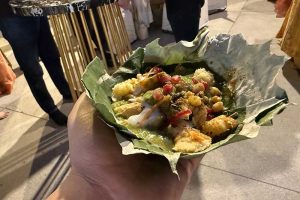
Anand Chat Chopal
05 May, 2025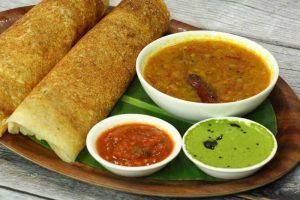
From Tawa to Triumph: Why the Dosa Will Always Be...
24 Apr, 2025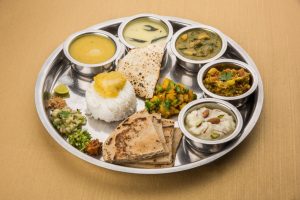
A Morning at Sagar Ratna – A Slice of South...
21 Apr, 2025
Latest News
Where devotion rests upon a cool platter
13 Aug, 2026
Sawan: The sacred flavours of the monsoon
29 Jul, 2026
Cuisine of abundance, charity and continuity
02 Jul, 2026