A Spice-Laden Cuisine Born from Backwaters & Ancient Trade
Kerala’s cuisine reflects Arab, Portuguese, Jewish, and Dutch influences combined with native tropical produce, especially coconut and spices.
- Malabar Cuisine
Moplah influence, biryanis, pathiri - Travancore-Cochin Cuisine
Coconut gravies, seafood, vegetarian traditions
How Geography Shapes Food
| Zone | Climate | Food Influence |
| Coastal & Backwater Belt | Hot, humid | Seafood, coconut, tapioca |
| Mid Highlands | Fertile plantations | Spices, yams, bananas |
| Western Ghats | Cool, forested | Tubers, wild mushrooms |
Historical Roots
| Era | Culinary Influence |
| Ancient Spice Routes | Pepper, cardamom, cinnamon |
| Arab Traders | Mappila biryanis, breads |
| Portuguese Era | Vinegar, cakes, stew |
| Syrian Christian Heritage | Appam, meen moilee |
Kerala became a major global spice hub shaping world cuisine.
Core Ingredients
Coconut (milk, oil, grated), Rice, Pepper, Cardamom, Curry leaves, Tamarind, Tapioca, Seafood varieties
Signature Dishes
Puttu and Kadala Curry, breakfast classic
Appam and Stew, Syrian Christian influence
Sadya, multi-course banana-leaf feast
Karimeen Pollichathu, fish cooked in leaves
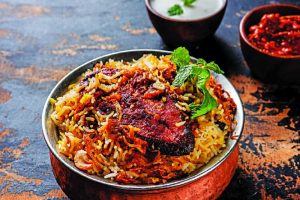
Malabar Biryani, aromatic festive dish
Festival & Ritual Foods
Onam: Sadya with avial, olan, payasam
Vishu: Traditional vegetarian dishes
Health & Ayurvedic Relevance
Coconut supports metabolism
Spices boost immunity
Plantain and tubers offer high-fibre nutrition
Recent Blog Posts
Anand Chat Chopal
05 May, 2025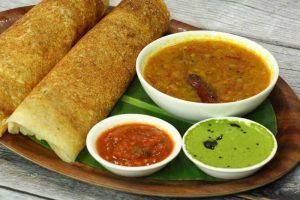
From Tawa to Triumph: Why the Dosa Will Always Be...
24 Apr, 2025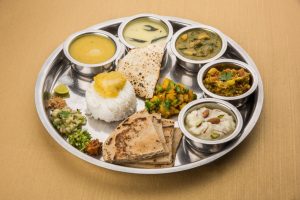
A Morning at Sagar Ratna – A Slice of South...
21 Apr, 2025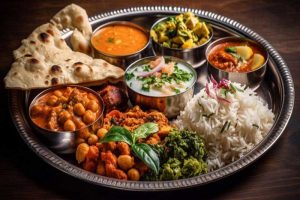
Latest News
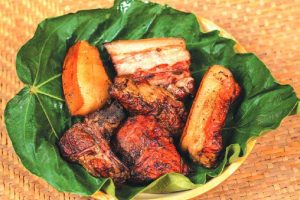
The Living Highlands: The Culinary Soul of Nagaland
02 Dec, 2025
The living hills: The culinary soul of Meghalaya
02 Dec, 2025